“Ciise waa wada Ciise, nina nin caaro ma dheera.” Somali proverb from the Xeer Ciise.
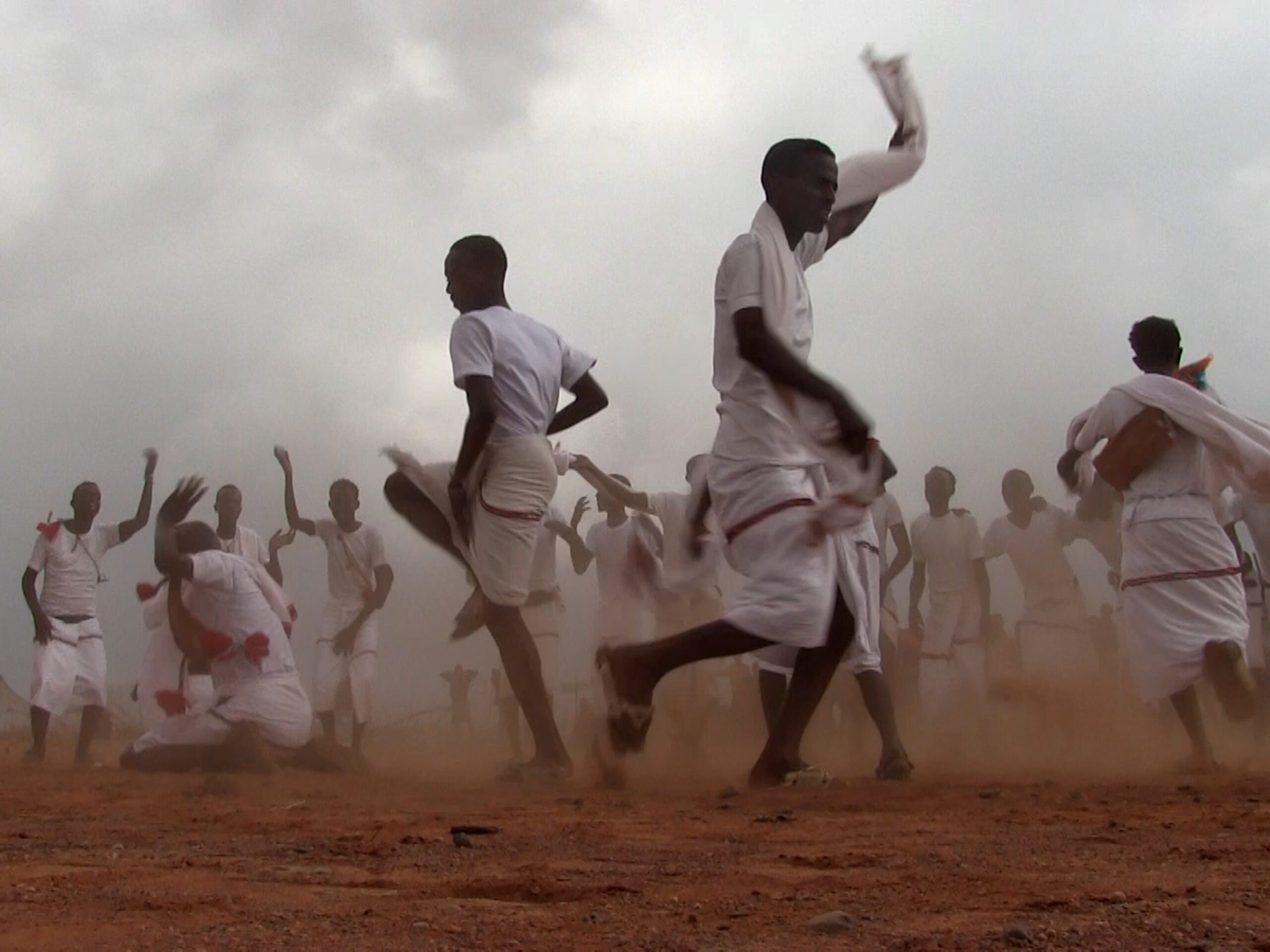
Among the Somali people in Horn of Africa, few institutions embody their collective identity as profoundly as the Xeer Ciise, an intricate system of customary laws that has endured for over five centuries. Rooted in the values of equality, , and communal solidarity, the Xeer Ciise remains a living testament to indigenous governance and social harmony in the Horn of Africa.
Origins in Zeila: the Birth of xeer cisse.
During the flourishing era of Imam Ahmad ibn Ibrahim al-Ghazi (Ahmed Gurey). The Adal Sultanate became powerful and influential in the 16th century under Imam Ahmad’s leadership. Adal gained fame across the Islamic world and forged strong ties with the Ottomans. Amid Zeila’s vibrant intellectual life, the early foundations of the Xeer Ciise were first conceived. In the aftermath of the decline and fragmentation of the Adal Sultanate, many commentators argue that the Xeer Ciise emerged from the resulting political vacuum and social crisis that affected the Horn of Africa at the time. In Zeila, the Issa elders sought to codify a body of laws that would regulate trade, resolve disputes, and maintain justice among their clans. The moral compass of this process was drawn from both Islamic jurisprudence (sharci) and ancestral wisdom (xeer dhaqameed), blending divine ethics with pragmatic social order.
From Zeila to Mount Sitti.
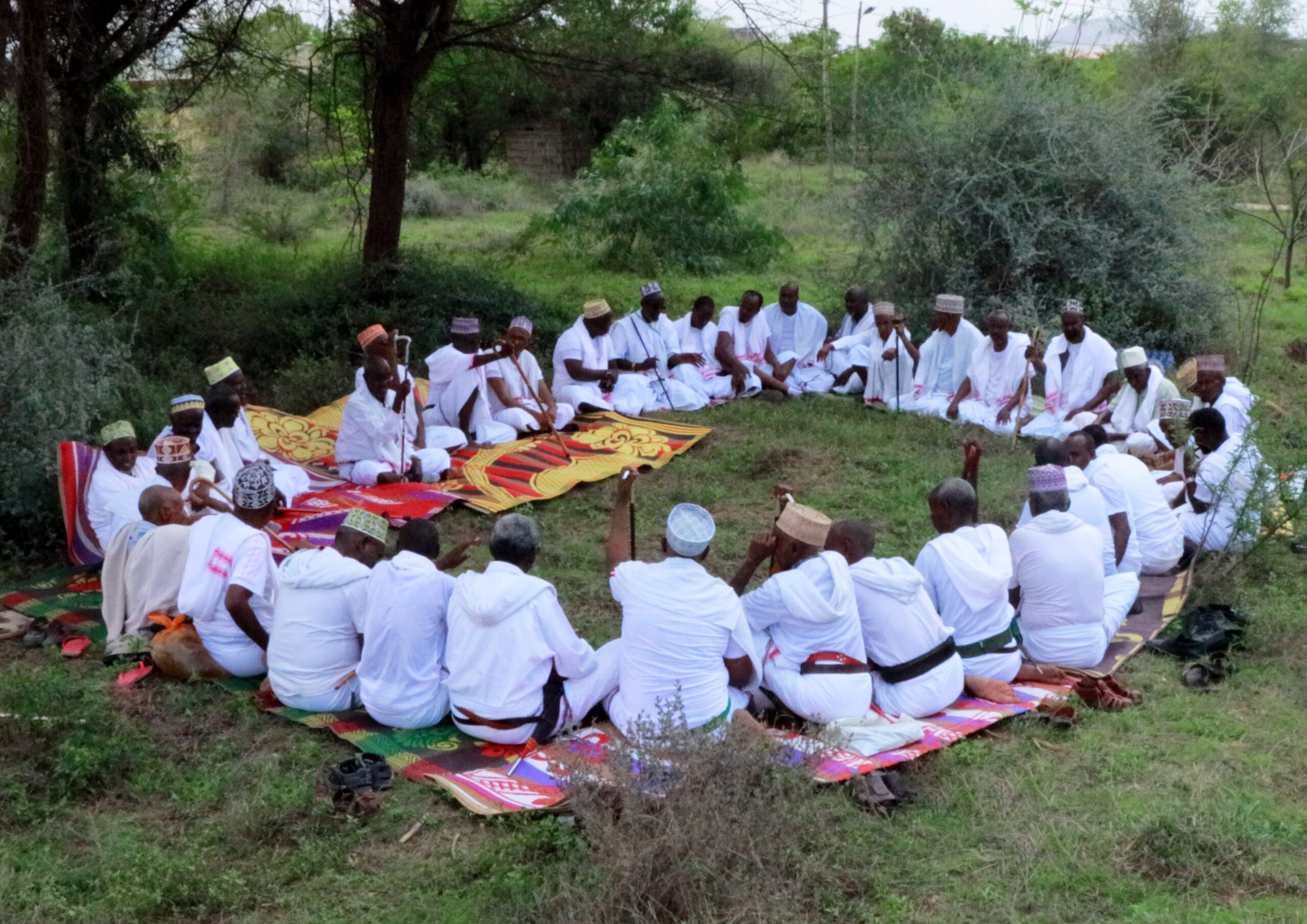
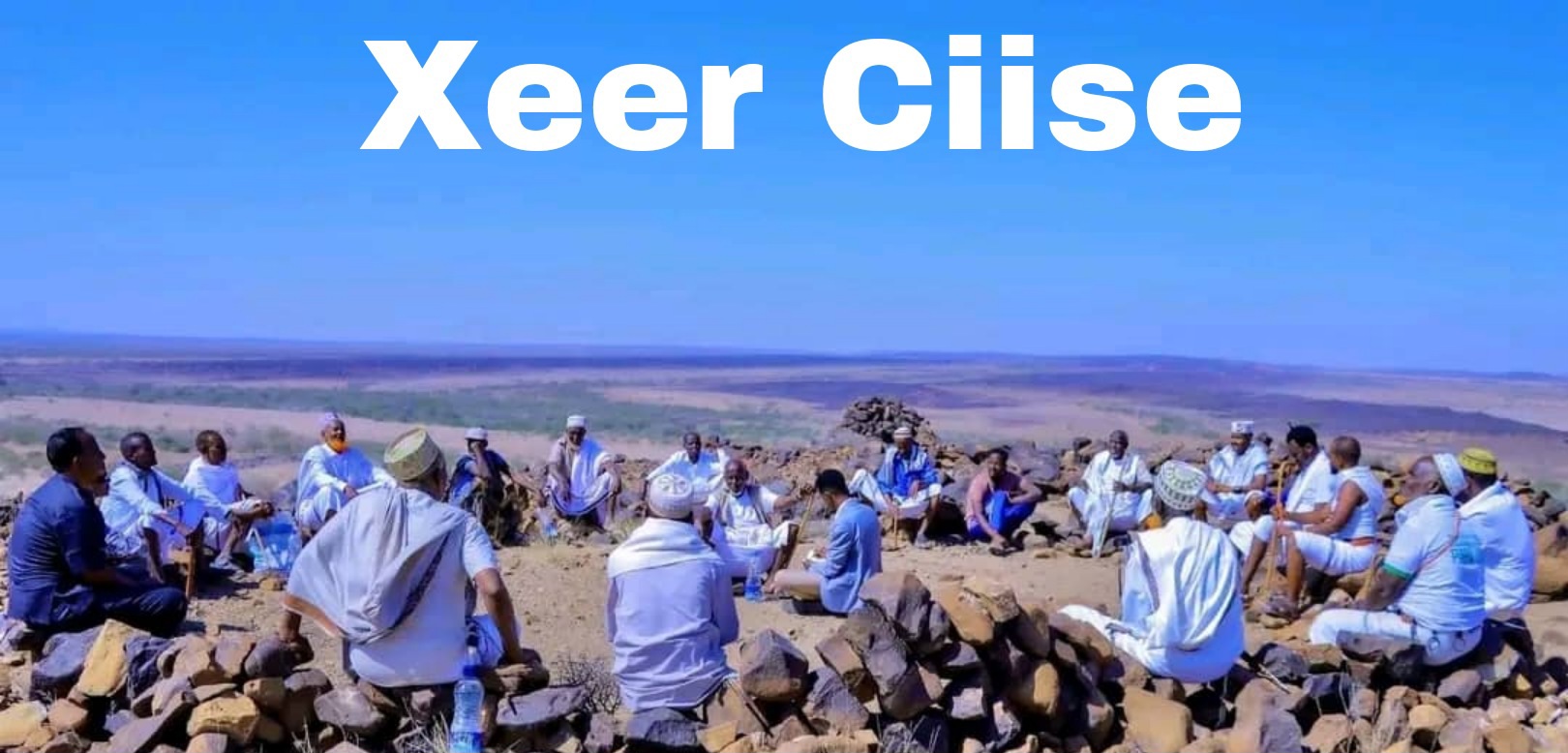
According to oral tradition, the drafting of the Xeer began in Daabiyadda Madaw, a settlement near Tokhosi, outskirt of Zeila town, the deliberations spanned generations, with periodic reviews and reaffirmations every 8 decades by Gandhi(e) as the law of nature evolved. The final codification took place on the sacred heights of Mount Sitti, in what is today eastern Ethiopia. There, 44 Issa elders representing 12 lineages, descended from the six sons of Ciise (Ceeleeye, Holle, Hawlaqaade [Walaaldoon], Hoorroone, Wardiiq, and Uurweyne) gathered in solemn assembly. This council, known as the Gandi, debated, amended, and sealed the oral charter that would guide their people for centuries.The Gandi was not a permanent body; it convened only during critical moments to mediate conflict, elect leaders, or revise laws. The very first Gandi were the lawgivers who forged the Xeer itself, while later Gandis oversaw matters such as the selection of Ugaas (traditional leader).
Structure and Philosophy of the Xeer Ciise.
The Xeer Ciise embodies a complex legal philosophy that balances justice with mercy, individual rights with communal responsibility, and human conduct with spiritual values. It is traditionally organized around six foundational pillars (kabood):
1. Dhiig (Blood/Justice) – regulates crimes, punishment, and compensation.
2. Dhaqan (Culture) – preserves moral conduct, honor, and hospitality.
3. Dhaqaale (Economy) – governs property, livestock, and trade relations.
4. Dhul (Land) – ensures equitable land use, grazing rights, and environmental care.
5. Dhibleh (Defense / Security) – Protects the community from external threats and internal disorder. It sets norms for collective defense, security cooperation, and the protection of borders, women, and the weak during conflict.
6. Dheer (Reconciliation / Wisdom) – Represents the moral and spiritual dimension of the Xeer. It promotes forgiveness, peace-making, and wise judgment through elders (odayaal) and religious leaders, ensuring that justice is tempered by compassion and foresight. At the heart of the system lies the principle of restorative justice emphasizing reconciliation, restitution, and forgiveness over retribution. Compensation (mag, often measured in livestock) restores social harmony, while the involvement of impartial elders ensures fairness and dignity for all parties.
As one Issa proverb declares: “Xeer waa ciidankaaga oo casho kaa doonayn.”“The Xeer is your army one that asks no supper.”
Xeer as Peace and Order.
More than a mere legal code, the Xeer Ciise is a moral covenant that upholds peace as the highest virtue. Its sayings capture this spirit vividly:
“Xeer waa geed jeerin ah” – “The Xeer is a tree that shelters all.
”“Xeer diid waa Alla-diide, waa qaran-diide” – “To reject the Xeer is to reject both God and the nation.
”“Xoolo way ku gabaan, ee Xeer kuma gabo” – “Wealth may protect you once, but the Xeer protects you always.” Through these maxims, the Issa articulate their belief that justice, like shade in the desert, sustains the community.
Continuity and UNESCO Recognition.
UNESCO is responsible for safeguarding cultural heritage and adopting international conventions for its preservation, plays an important role. The Xeer Ciise, as one of the oldest surviving systems of customary law in the Horn of Africa, represents an integral part of the region’s intangible cultural heritage, reflecting centuries of social organization, conflict resolution, and communal identity. European colonization disrupted Africa’s indigenous governance systems by imposing centralized administrations and legal frameworks that often ignored or suppressed traditional authorities and customary laws. However, the XeernCiise remained intact transmitted orally from elder to elder, generation to generation. Its resilience lies in its adaptability: though rooted in pastoral life, it continues to mediate modern disputes in Djibouti, Somaliland, and Ethiopia. Today, the Xeer Ciise stands as one of Africa’s oldest living legal systems, recognized by UNESCO as part of the Intangible Cultural Heritage of Humanity, jointly submitted by Djibouti, Ethiopia, and Somalia. Its endurance is a testament to the Issa people’s capacity to preserve order without tyranny, justice without written law, and peace without external imposition.
Conclusion: A Law that Breathes.
The Xeer Ciise is not a relic of the past — it is a living law, a dynamic framework that continues to define identity and governance among the Issa. It reflects the timeless truth that justice, when rooted in community and conscience, can outlast kingdoms and empires.
As the elders say: “Xeer waa hadh iyo gogol” “The Xeer is both shade and shelter. ”From Zeila’s bustling harbors to the misty ridges of Mount Sitti, the spirit of Xeer Ciise still lives guiding, protecting, and uniting the people across the board.
By Mohamed Hadi 🖊
Zeila Heritage waa madal kayd iyo dhaqan-dhawr ah oo u heellan ilaalinta, ururinta, iyo faafinta taariikhda, dhaqanka, iyo xusuusta guud ee beesha Ciise iyo deegaanadeeda. Waxyaabaha lagu soo bandhigo waxay ku dhisan yihiin warbixinno afeed, xusuus-dhaqameed, xeer dhaqameed iyo qoraallo taariikheed oo la keydiyey si jiilalka mustaqbalka loogu gudbiyo.