
Eng Yahye Abas Zeila Heritage CEO & Editor-in-Chief of Zeila Heritage
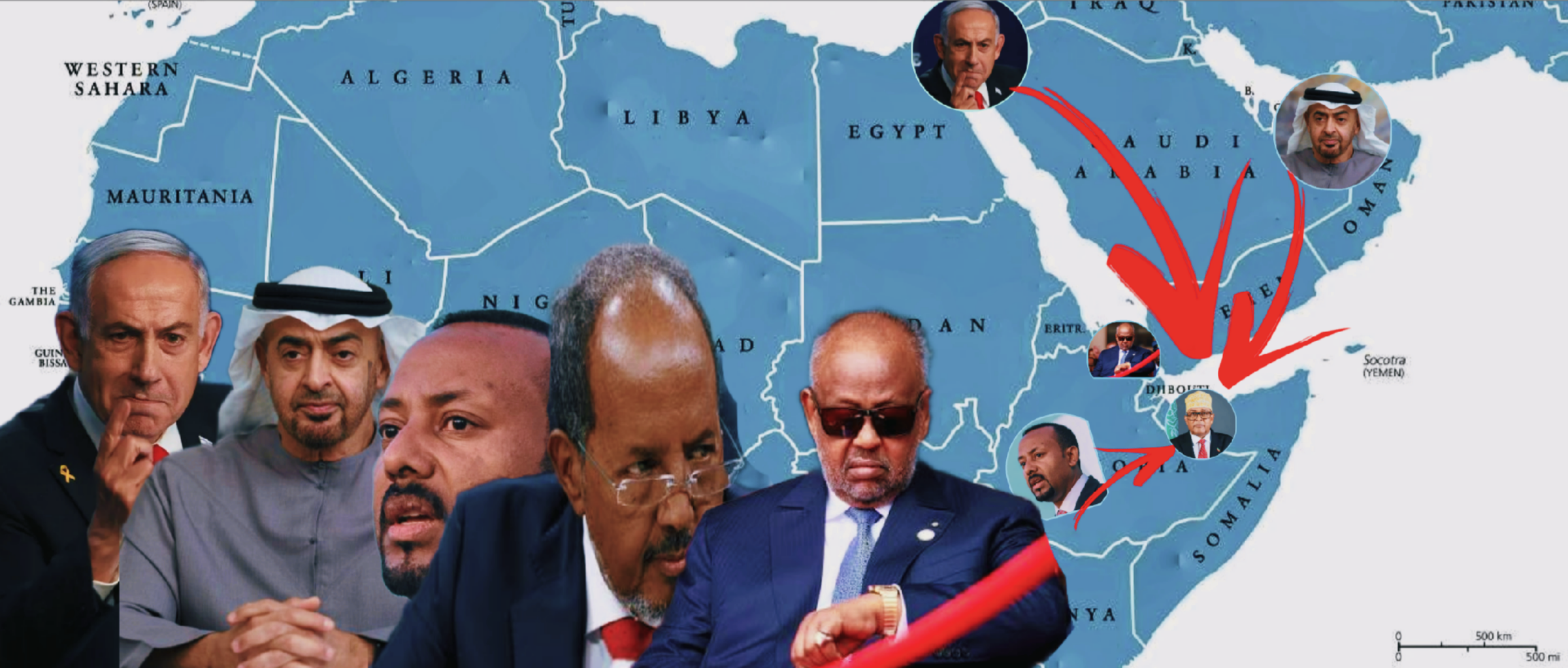
On December 26, 2025, Israel became the first country in the world to formally recognize the self-declared Republic of Somaliland as an independent and sovereign state — a historic shift with far-reaching geopolitical and economic implications for the Horn of Africa.
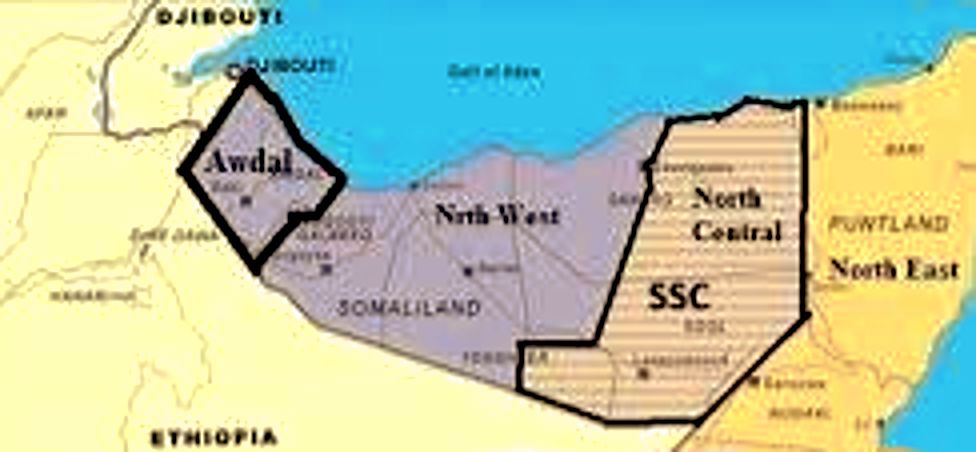
For more than three decades, Somaliland has existed as a de facto independent region in northern Somalia. Following the collapse of Somalia’s central government in 1991, Somaliland withdrew and established its own governing institutions, security forces, currency, and electoral system. Despite this long record of self-rule and relative stability, no country had officially recognized it as a state until now.
The recognition followed a video call between Israeli Prime Minister Benjamin Netanyahu and Somaliland President Abdirahman Mohamed Abdullahi, widely known as “Ciro.” During the call, the two leaders signed a declaration establishing full diplomatic relations. Netanyahu described the move as consistent with the principles of the Abraham Accords, which aim to expand Israel’s diplomatic partnerships beyond traditional boundaries.

Horn of Africa becoming a focal point of intense regional and international geopolitical competition.
The agreement is expected to lead to the opening of embassies, the exchange of ambassadors, and cooperation in key sectors such as agriculture, health, technology, and security.
Why Israel Made the Decision
Israel’s recognition of Somaliland is driven by a combination of strategic and economic considerations.
Somaliland occupies a highly strategic location along the Gulf of Aden, close to the Bab el-Mandeb Strait — one of the busiest and most sensitive maritime chokepoints in the world. This corridor is essential for global trade and energy transport. A partnership with Somaliland offers Israel a potential foothold near the Red Sea at a time when maritime security has become increasingly fragile.
The move also fits into Israel’s broader effort to expand the Abraham Accords framework beyond the Middle East and into Africa. By engaging Somaliland, Israel is positioning itself as a growing diplomatic and economic actor in the Horn of Africa, a region that is becoming more important to global security and trade.
Security considerations are another key factor. Rising instability in Yemen and threats to Red Sea shipping have increased concerns over regional safety. Israel may view cooperation with Somaliland as a way to enhance intelligence sharing and regional security coordination.
Beyond strategic and economic explanations, Israel’s recognition of Somaliland has also fueled debate among regional analysts and political observers over broader long-term intentions. Some commentators in the Horn of Africa and the Arab world have suggested that Israel’s growing engagement with Somaliland may be linked to discussions around alternative resettlement options for Palestinian refugees.

Regional Reactions
The recognition has sparked strong opposition across the region.
Somalia immediately rejected Israel’s decision, calling it a violation of its sovereignty and territorial integrity under international law. The government in Mogadishu declared the recognition null and void and announced plans to pursue diplomatic and legal responses.
Other regional actors, including Egypt, Turkey, and Djibouti, have also expressed concern. They warn that the move could destabilize the Horn of Africa by encouraging unilateral actions and deepening geopolitical rivalries.
The African Union, IGAD, AU and Arab Leagues also has reiterated its long-standing position in support of Somalia’s unity and territorial integrity, rejecting any recognition of Somaliland without Somalia’s consent.
Risks to Djibouti’s Port Economy and Security
Djibouti stands to face concrete economic and security risks if Somaliland’s international recognition translates into expanded foreign partnerships and port investment.
Economically, Djibouti’s port sector is the backbone of its national economy, generating a large share of government revenue through logistics, transshipment, and services linked to Red Sea trade. A recognized Somaliland — particularly with increased investment in the Port of Berbera — could divert shipping contracts, logistics services, and regional trade flows away from Djibouti. International shipping companies may seek alternative routes or ports offering competitive fees, political backing, and fewer congestion risks. The development of Berbera as a fully recognized international port could also reduce Djibouti’s leverage over landlocked countries that rely on its infrastructure, weakening its strategic economic position in the Horn of Africa.
From a security perspective, the risks are equally significant. Djibouti already hosts multiple foreign military bases, making it a sensitive and crowded security environment. The entry of new security partnerships involving Somaliland and external powers could complicate regional military coordination and intelligence sharing. An expanded foreign security presence in Somaliland may shift regional power balances and increase competition in the Gulf of Aden. This could heighten tensions in maritime security operations, particularly if coordination mechanisms between Djibouti, Somaliland, and neighboring states are weak or politicized.
Additionally, any perception that Red Sea security arrangements are being reshaped without regional consensus could make Djibouti more vulnerable to diplomatic pressure and regional rivalry, rather than strengthening collective security.

What Somalia Can Do
Somalia still has several options in response to this diplomatic challenge. It can intensify diplomatic engagement with the African Union, the Arab League, IGAD and international partners to reinforce support for its territorial integrity. Legal avenues through international institutions may also help reaffirm established norms against unilateral recognition.
Equally important is addressing internal governance and development challenges. Strengthening federal unity, improving economic inclusion, and promoting dialogue among Somali regions could reduce long-term pressures that fuel secessionist movements.
Conclusion
Israel’s recognition of Somaliland represents a significant shift in Horn of Africa geopolitics. It creates new opportunities for Somaliland, raises serious concerns for Somalia, and introduces new dynamics for regional actors such as Djibouti.
Whether this development leads to greater cooperation or increased instability will depend on how regional governments respond — and whether diplomacy can keep pace with rapidly changing geopolitical realities.
Eng Yahye Abas Zeila Heritage CEO & Editor-in-Chief of Zeila Heritage