
Eng Yahye Abas Zeila Heritage CEO & Editor-in-Chief of Zeila Heritage
Djibouti, a small but strategically located country in the Horn of Africa, is a land where history, diverse cultures, and new opportunities converge. From its ancient trade routes to its modern ambitions, Djibouti presents a story of continuity and change.
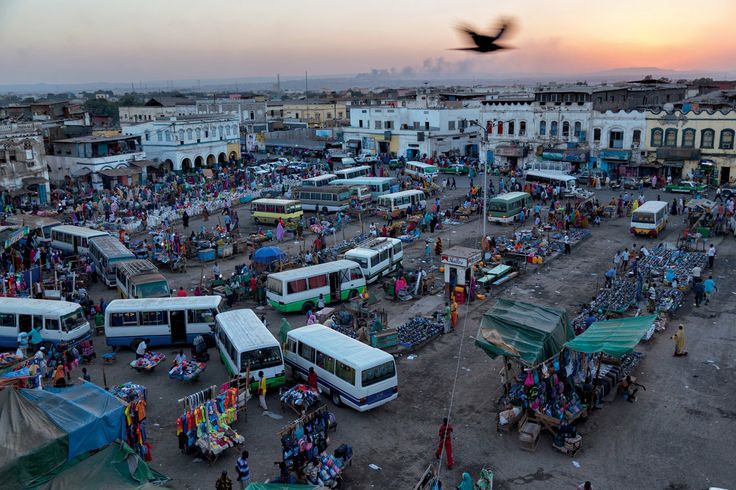
Beyond its ports and political importance, Djibouti is defined by everyday life. In neighborhoods across Djibouti City and regional towns, daily routines unfold around tea gatherings, street conversations, and family bonds. Afternoons are often marked by informal social meetings, where stories are shared and community ties reinforced. These moments, though rarely documented, form the backbone of Djiboutian society.

Geography and Diversity
Djibouti’s geography is defined by its coastal location along the Red Sea and the Gulf of Aden. It shares borders with Eritrea, Ethiopia, and Somalia. The nation is home to a mix of ethnic groups, including the Afar and the Somali. French and Arabic are the official languages, reflecting Djibouti’s colonial past and cultural diversity.
Djibouti is a place where contrasts exist side by side. Modern cranes rise near traditional homes, and international convoys pass streets where children play football on dusty ground. This coexistence of global influence and local tradition gives the country a unique rhythm—neither rushed nor static, but steadily evolving.

Djibouti City: The Hub of Ambition
Djibouti City, the capital, is a bustling port city where ambition meets heritage. The city’s markets, like the Central Market, showcase a fusion of goods, from textiles to spices. Landmarks such as the Hamoudi Mosque and the Presidential Palace stand as symbols of Djibouti’s journey.
Djibouti’s identity cannot be separated from the Horn of Africa. Its cultural, linguistic, and historical ties connect it deeply to Ethiopia, Eritrea, and Somalia. For centuries, movement across borders has shaped shared traditions, trade relationships, and family networks. Djibouti stands not apart from the region, but as one of its key connectors.

Music and Dance
Music and dance in Djibouti reflect the influences of the diverse ethnic groups. Traditional instruments like the “oud” and the “tanbura” create melodies that resonate with cultural pride. Dance forms, such as the “dankhaaro” and the “sambusa,” are vibrant expressions of tradition.
A significant portion of Djibouti’s population is young. This generation is increasingly engaged in education, entrepreneurship, and cultural expression. From small businesses to digital initiatives, young Djiboutians are finding ways to shape their own future. While challenges remain, there is a quiet confidence among the youth that progress is possible through persistence and adaptation.

Cuisine: A Culinary Mosaic
Djiboutian cuisine is a mosaic of flavors, influenced by its neighboring nations. Dishes like “skoudehkaris” (spiced rice) and “lahooh” (pancake-like bread) highlight the culinary diversity. Street food vendors offer delicacies like “soor” (porridge) and “geel” (grilled meat).
Djibouti may be small in size, but its story is layered and enduring. It is a country shaped by history, sustained by culture, and driven by the aspirations of its people. Understanding Djibouti requires more than statistics or strategic analysis—it requires listening to its voices, observing its streets, and recognizing the dignity embedded in its daily life.

A Land of Commerce and Change
Djibouti’s strategic location at the crossroads of global trade routes has made it a hub for international commerce. The nation hosts foreign military bases and has invested in infrastructure, including modern ports and logistics centers, to capitalize on its geographical advantage.

Education and Aspiration
Education is a priority in Djibouti, with efforts to expand access and improve quality. The country’s institutions aim to provide learning opportunities in various fields. Djibouti is focusing on growth sectors, such as logistics, to bolster its economy.
Challenges and Progress
Education is a priority in Djibouti, with efforts to expand access and improve quality. The country’s institutions aim to provide learning opportunities in various fields. Djibouti is focusing on growth sectors, such as logistics, to bolster its economy.
Challenges and Progress
Djibouti faces challenges related to governance, access to healthcare, and economic diversification. However, the Djiboutian people exhibit determination and are committed to enhancing their nation. Local initiatives, community support, and a strong sense of national identity contribute to the country’s enduring spirit.
Black History Month: Djibouti’s Role
As we celebrate Black History Month, it’s vital to recognize the unique contributions of countries like Djibouti to the broader narrative of black history and culture.
Djibouti, a land of history, culture, and opportunity, invites us to explore its coastal beauty and traditions. It’s a nation where history and modernity coexist, reflecting the resilience, creativity, and shared identity of its people.
Eng Yahye Abas Zeila Heritage CEO & Editor-in-Chief of Zeila Heritage
Eng Yahye Abas Zeila Heritage CEO & Editor-in-Chief of Zeila Heritage