Introduction: A Recognition Move Amid Crisis
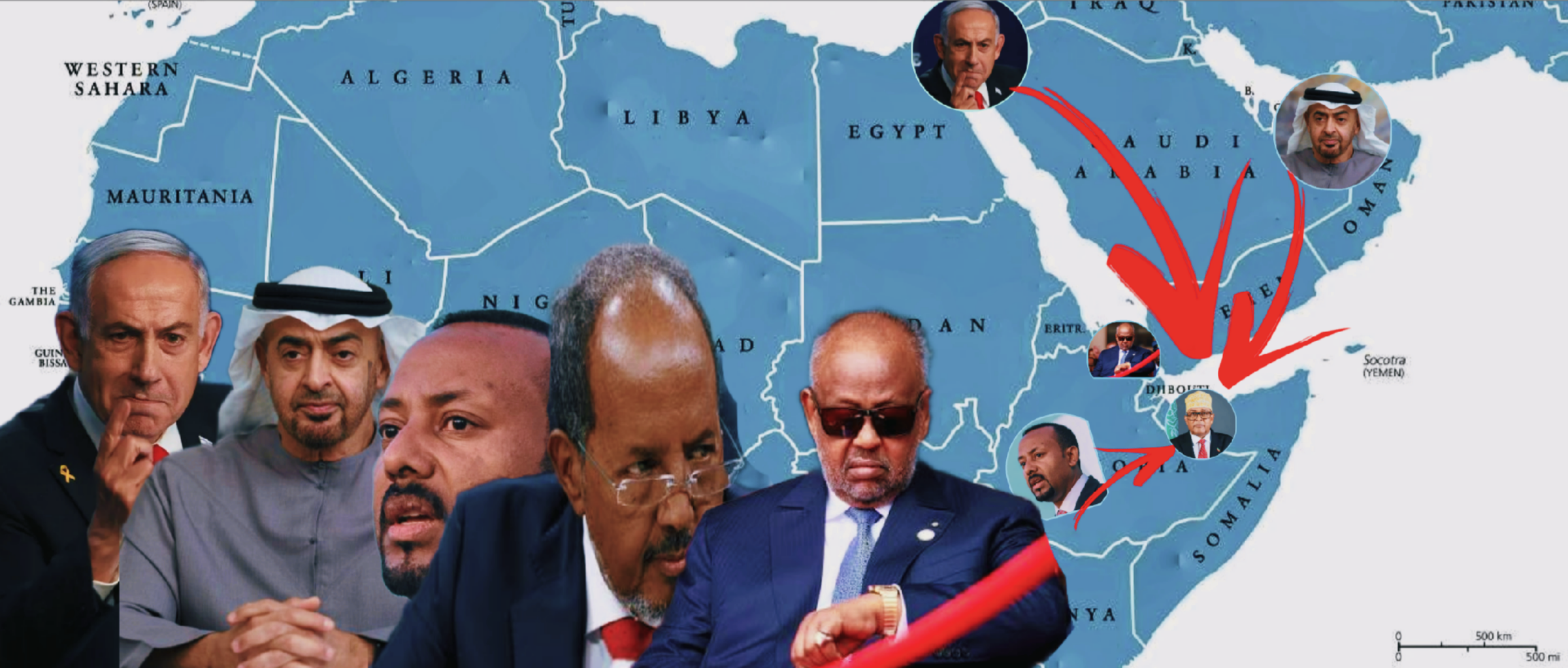
Somaliland’s unilateral announcement recognizing Israel on 26 December 2025 has introduced new geopolitical dynamics that may further complicate—rather than advance—its long-standing quest for international recognition. Instead of strengthening Somaliland’s diplomatic standing, the move risks deepening internal fractures and alienating potential partners who already view Somaliland’s political project as fragile and unresolved.
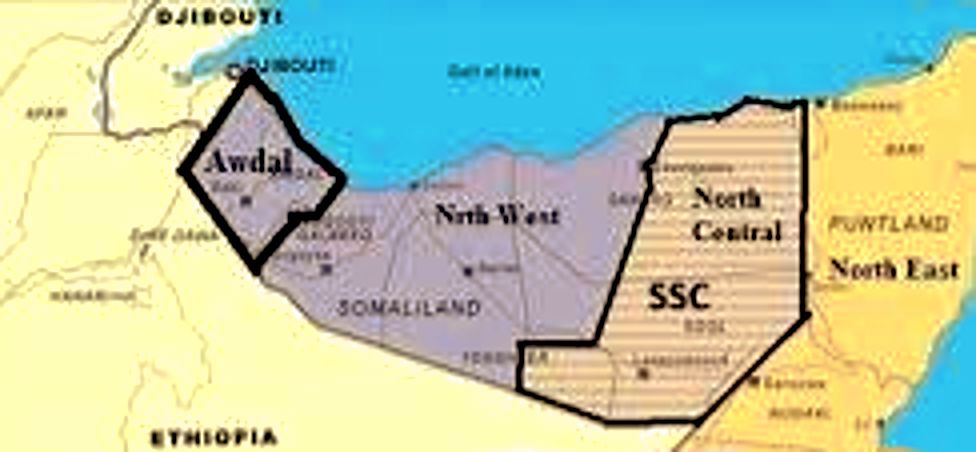
This development comes at a critical historical moment. Somaliland has effectively lost a substantial portion of the territory that once formed the basis of its independence claim—the former British Somaliland Protectorate. Following intense fighting between local communities in Las Anod and Somaliland forces, the conflict culminated in August 2023 with Somaliland’s military defeat. The result was the emergence of the North Western State of Somalia, which has since been formally recognized by the Federal Government of Somalia.
With this shift, the foundational argument that Somaliland’s independence is grounded in colonial-era boundaries has been fundamentally undermined. A significant portion of that territory—inhabited primarily by Dhulbahante and Warsangeli (Harti/Darod) communities—is no longer under Somaliland’s control. As a result, the legal and historical basis of Somaliland’s claim has been irrevocably weakened.
Who Constitutes Somaliland Today?
Historically, the British Somaliland Protectorate comprised multiple Somali clans and communities, including:
Isaaq
Darod (Harti: Dhulbahante and Warsangeli)
Gadabursi
Issa
Other smaller communities such as Madhiba, Akisha, and Fiqishini.
Today, the political reality is markedly different. The Dhulbahante and Warsangeli communities of the eastern regions are no longer part of Somaliland’s political structure. Prominent figures from these communities—including former Somaliland Speaker Abdirizak Khalif and former ministers—have withdrawn from Somaliland institutions and aligned themselves with Somalia. Abdirizak Khalif’s candidacy for leadership in Las Anod symbolized this definitive political rupture.
What remains of Somaliland is therefore not the same entity that once claimed continuity with the British Protectorate. This raises an unavoidable question: On what basis does the remaining administration claim sovereignty?
Western Somaliland: Growing Grievances
In western Somaliland, along the borders with Ethiopia and Djibouti, the Gadabursi and Issa communities have long expressed grievances over political marginalization, resource control, and ownership of the Somaliland identity itself. These unresolved tensions recently erupted into open confrontation.
The Issa–Gadabursi dispute, particularly surrounding cultural rights and territorial boundaries, exposed how fragile the Somaliland project has become. Protests on 5 December 2025 in Borama, the political and cultural center of the Gadabursi community, revealed a striking reality: Somaliland’s statehood narrative appears increasingly confined to the Isaaq clan, who are widely perceived—rightly or wrongly—as the dominant owners of the project.
During these protests, demonstrators openly raised the blue flag of Somalia and chanted slogans rejecting Somaliland altogether. Such scenes would have been unthinkable only a few years ago. They reflect not only political discontent, but a profound erosion of belief in Somaliland as a shared national project.
External Alignments and Internal Fragility
Somaliland’s pursuit of recognition through alignment with actors widely perceived as regional rivals or adversaries of Somalia—notably Ethiopia and now Israel—has further complicated its position. The earlier Memorandum of Understanding signed with Ethiopia under former President Musa Bihi triggered widespread backlash and intensified anti-Ethiopian sentiment across Somali territories.
The recent Israel recognition risks provoking even deeper reactions. Israel’s ongoing war in Gaza, widely condemned across the Muslim world, has generated strong emotional and political responses among Somali populations. Associating Somaliland’s already fragile political project with such a polarizing issue risks inflaming religious, social, and clan-based tensions both internally and regionally.
Conclusion
Somaliland today faces an existential crisis—not primarily from external opposition, but from its own unresolved internal contradictions. The loss of territory, the fragmentation of its constituent communities, the failure to manage clan boundaries, and the concentration of political power within a single dominant group have hollowed out the foundations of the state-building project.
Without a genuine, inclusive re-negotiation of political ownership among its remaining communities, Somaliland’s internal vulnerabilities will continue to be exploited—by regional dynamics, geopolitical rivalries, and internal dissent alike. Recognition cannot be achieved through symbolic foreign alignments while the domestic social contract remains fundamentally broken.

Mohamed Hadi Activist & geopolitical analyst in Horn of Africa.
Mohamed Hadi Activist & geopolitical analyst in Horn of Africa.